
Threshold Network Review: The New Standard for Bitcoin in DeFi?
Table of Contents
Introduction: Unlocking Bitcoin’s True Potential
For years, Bitcoin has been celebrated as digital gold a premier store of value. Yet, its potential within the booming decentralized finance (DeFi) ecosystem has remained largely untapped, locked away by its native blockchain’s design. Enter Threshold Network, a platform making bold claims to be the indispensable engine that transforms Bitcoin into a productive, programmable asset. This Threshold Network review examines whether it truly sets a new standard for Bitcoin finance or is another overpromising project in a crowded field. By focusing on threshold cryptography and its flagship tBTC product, the network aims to bridge the foundational security of Bitcoin with the innovative yield opportunities of DeFi across all major chains.
What is Threshold Network?
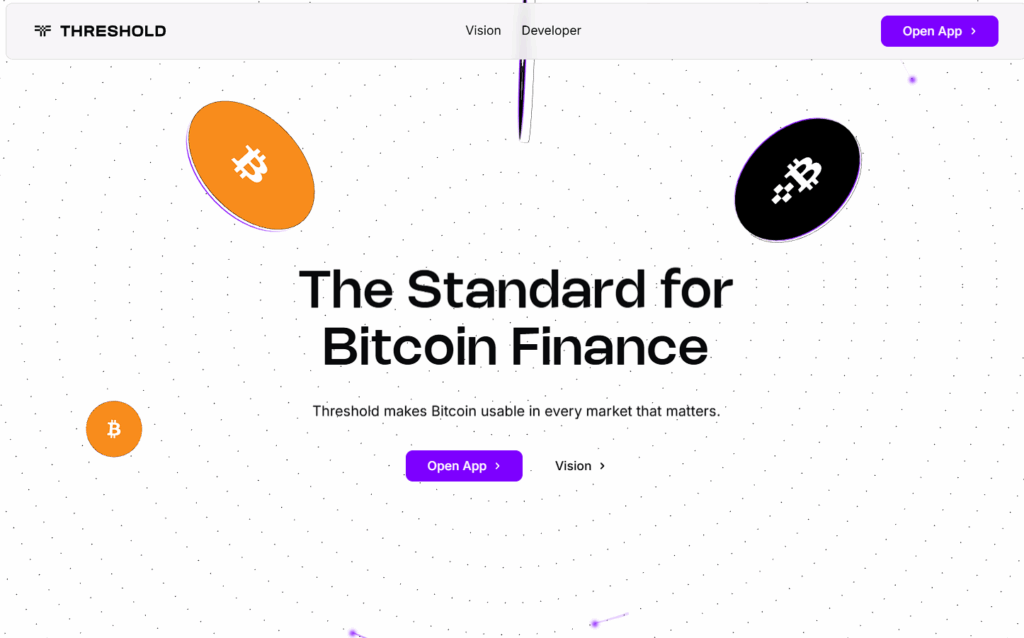
Threshold Network positions itself as a critical infrastructure layer for the onchain Bitcoin economy. Its core mission is to make Bitcoin usable not just as a static asset, but as dynamic capital for lending, staking, trading, and earning yield. Unlike simple wrapped token solutions that often rely on centralized custodians, Threshold Network is built on a decentralized foundation of threshold cryptography, a technology it has been battle-testing since 2020.
The network’s primary output is tBTC, a decentralized representation of Bitcoin that can move seamlessly across ecosystems like Ethereum, Solana, and others. This allows Bitcoin holders to participate in DeFi opportunities without selling their BTC, addressing the critical issue of idle capital. Threshold Network explicitly targets a professional audience, offering what it calls “industry-leading transparency, reliability, and functionality” tailored for institutions, protocols, and developers.
Core Technology: The Power of Threshold Cryptography
The security and operational model of Threshold Network rests on its namesake technology. Threshold cryptography is a sophisticated method that distributes the control of a single private key across multiple independent nodes, known as node operators. For any transaction like minting tBTC a predefined threshold number of these operators must collaborate and sign. This design eliminates a single point of failure; no single entity can control or compromise the Bitcoin backing the system.
The network is secured by a dedicated group of professional node operators, including names like Boar, P2P, Global Stake, and Staked.us. These operators are responsible for maintaining the protocol’s integrity and availability. This model aims to provide a trust-minimized bridge, where security is mathematically enforced and verifiable. For users, this translates to what the network promotes as secure, transparent, and scalable access to Bitcoin capital markets, backed by onchain proof of reserves.
tBTC: The Gateway to the Bitcoin DeFi Ecosystem
tBTC is the practical utility token at the heart of the Threshold Network offering. It is not a new cryptocurrency but a 1:1 representation of Bitcoin that lives on other chains. The process is designed to be permissionless:
- A user locks Bitcoin in a secure, collaboratively controlled wallet on the Bitcoin blockchain.
- After verifying the lock-up, the Threshold Network mints an equivalent amount of tBTC on the destination chain (e.g., Ethereum).
- The user can now deploy this tBTC in that chain’s DeFi protocols to earn yield, use it as collateral, or trade it.
- To redeem their original Bitcoin, they simply return the tBTC, and the threshold of node operators releases the locked BTC.
This mechanism grants Bitcoin holders what the platform describes as the freedom to use Bitcoin on your terms. They can explore the vast DeFi landscape to potentially generate returns while maintaining a cryptographically secured claim on their original Bitcoin.
Promised Benefits and Use Cases
Threshold Network promotes several key benefits for different segments of the crypto economy:
- For Bitcoin Holders & DeFi Users: It unlocks yield on Bitcoin. Instead of letting BTC sit idle in a wallet, holders can channel its value into lending protocols, liquidity pools, and staking derivatives across the ecosystem. It also enables cross-chain trading with Bitcoin as a base asset without involving centralized exchanges.
- For Institutions: The network emphasizes institutional-grade security through its decentralized operator set and multi-signature model. The transparency of onchain proof of reserves is a critical feature for funds and larger entities requiring verifiable custody. The platform’s composable SDKs also allow institutions to integrate tBTC functionality directly into their own products and treasury management systems.
- For Developers and Protocols: Threshold Network provides the tools to tap into Bitcoin’s massive liquidity pool. By integrating tBTC, any DeFi protocol can attract Bitcoin capital, significantly expanding its total addressable market. The network bills this as a seamless Bitcoin integration for any product.
Analyzing the Claims: Strengths and Potential Questions
Based on its public materials, Threshold Network presents a compelling, technically nuanced argument. Its threshold cryptography model is a clear differentiator from centralized bridges and custodial wraps, addressing a major trust concern in the industry. A multi-year operational history since 2020 also provides more substance than a purely conceptual project.
The focus on serving institutions with transparency and security could be a significant growth vector, especially as traditional finance seeks compliant, reliable onramps to Bitcoin DeFi. Furthermore, solving the problem of idle Bitcoin is a powerful value proposition if executed reliably at scale.
However, a prudent evaluation must consider several questions. While decentralized, the security of tBTC ultimately depends on the honesty and reliability of its published set of node operators. The technical complexity of threshold cryptography, while a strength, may also present a steeper learning curve for average users compared to simpler solutions. Finally, as a bridge handling high-value transactions, it remains a high-value target, and its battle-tested security will continue to be proven under real-world conditions and potential adversarial attacks over time.
The Competitive Landscape
Threshold Network and tBTC do not exist in a vacuum. They compete in a landscape of Bitcoin interoperability solutions. Its main competitors include:
- Custodial Wrapped Bitcoin (WBTC): The current market leader, but relies on a centralized custodian, introducing counterparty risk.
- Other Decentralized Bridges: Solutions like Ren Protocol also offer trust-minimized Bitcoin bridges, making the technical implementation and security model key battlegrounds.
- Bitcoin-native DeFi: Emerging solutions on Bitcoin layers like Stacks or RSK aim to bring DeFi to Bitcoin’s base layer rather than moving BTC elsewhere.
Threshold Network’s key differentiation in this competitive landscape is its specific cryptographic model and its strong institutional-facing narrative, positioning tBTC as a more transparent and decentralized alternative to WBTC for professional users.
Report Threshold.network and Recover Your Funds
If you’ve lost money to Threshold.network or a related scam like, act quickly. Report the fraud to SPS INVENSTIGATION LTD, a trusted platform dedicated to helping victims reclaim their stolen funds.
Conclusion: A Visionary Engine for Bitcoin Finance?
This Threshold Network review finds a project with a substantial technological foundation and a clear, ambitious vision to become the standard for Bitcoin finance. By leveraging threshold cryptography, it tackles the core issue of trust in cross-chain asset transfers head-on. The promise of enabling yield, lending, and trading for the world’s largest cryptocurrency asset is undeniably transformative.
For Bitcoin maximalists looking to keep their holdings productive, or for DeFi enthusiasts wanting to bring the king coin into their strategies, Threshold Network presents one of the most sophisticated portals available. Its institutional focus and transparency measures could make tBTC a preferred vehicle for larger-scale capital deployment.
Ever had an encounter with Threshold.network or a similar platform? Contribute your insights in the comments section or seek guidance on prudent investment strategies. Remain vigilant and prioritize personal security at all times when navigating the digital financial landscape.